
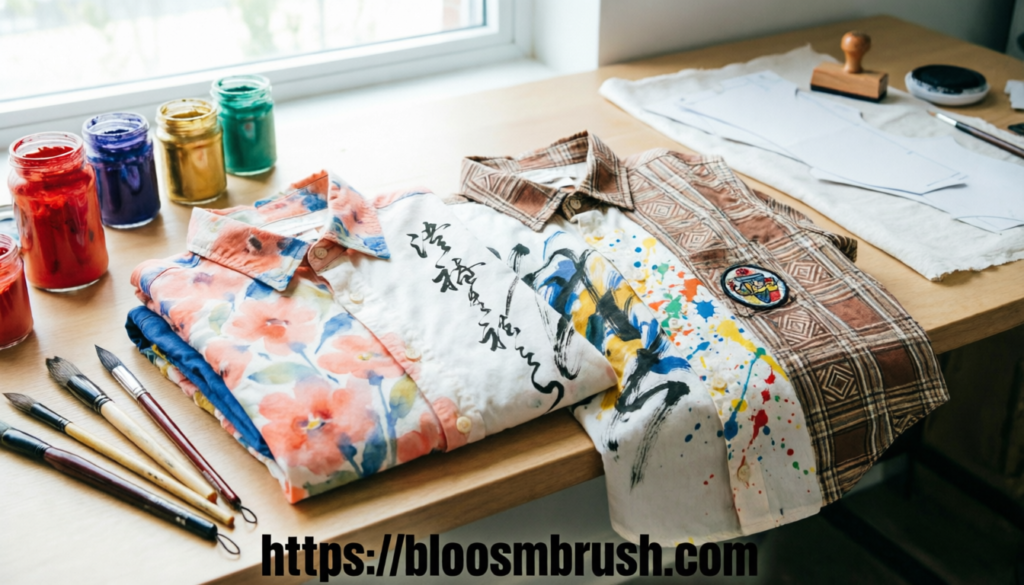
Shirt painting turns an ordinary piece of clothing into something personal, expressive, and completely unique. From simple name designs and delicate florals to bold abstract patterns, there are shirt painting ideas for every skill level, style, age, and occasion.
The right design can refresh an old cotton tee, create a memorable gift, promote a small business, or help a group stand out at an event. These fabric painting ideas for shirts include easy beginner designs, personalized artwork, modern patterns, and practical advice for choosing materials, ordering custom work, and caring for painted clothing.
Short Answer
The best shirt painting ideas combine a suitable fabric, durable fabric paint, and a design that matches the wearer’s style. Popular options include names, calligraphy, flowers, abstract brushstrokes, splatter patterns, landscapes, cartoons, and custom quotes.
Cotton shirts usually provide the easiest surface for painting because they absorb color well and remain comfortable to wear.
Quick Tip
Wash and dry a new shirt before painting it. Prewashing removes manufacturing residue and helps prevent the fabric from shrinking after the artwork has been applied.
What Are Shirt Painting Ideas?
Shirt painting ideas are creative concepts used to decorate clothing by hand with fabric paint, markers, brushes, sponges, stencils, or other textile-safe materials. Unlike mass-produced prints, hand-painted clothing often includes natural brush texture, slight variations, and personalized details.
A design may cover the entire shirt or appear in one carefully chosen area, such as:
- The center of the chest
- A small pocket area
- The back panel
- One sleeve
- The collar or shoulder
- The lower hem
- Both front and back
Some designs look polished and minimal, while others use multiple colors, layered textures, and large illustrations. The best choice depends on the shirt style, the intended use, and the amount of detail the artist can create comfortably.
Why Choose Hand-Painted Shirt Designs?
Hand-painted clothing offers more creative freedom than standard printed apparel. It allows the wearer or buyer to control the artwork, placement, colors, wording, and overall mood.
Benefits of Custom Painted Clothes
- Each piece feels original: Even repeated designs contain small brush variations that make every shirt slightly different.
- Personalization feels meaningful: Names, dates, handwritten messages, favorite colors, and private jokes can become part of the artwork.
- Design placement stays flexible: Artwork can wrap around sleeves, follow seams, or sit in areas that traditional printing may not suit.
- Small orders remain practical: A person can create or commission one shirt without meeting a large production minimum.
- Old clothing gains a new purpose: Painting can refresh plain, faded, or lightly stained shirts.
- The result works as wearable art: Detailed pieces can feel closer to original artwork than ordinary merchandise.
Printed vs Painted Clothing
Both methods can produce attractive results, but they suit different needs.
| Feature | Hand-Painted Clothing | Printed Clothing |
|---|---|---|
| Uniqueness | Each piece may vary slightly | Designs usually look identical |
| Personalization | Highly flexible | Depends on the printer and setup |
| Texture | Visible brushwork or layered paint | Usually smooth and consistent |
| Best quantity | One-off pieces and small batches | Medium or large batches |
| Detail consistency | May contain natural artistic variation | Reproduces the same detail repeatedly |
| Production speed | Often slower | Usually faster for bulk orders |
| Artistic feel | Strong handmade character | Clean, commercial appearance |
Choose hand painting for originality and personal expression. Choose printing when you need many matching shirts with consistent artwork.
Best Fabric, Fit, and Clothing Options
The fabric affects how smoothly paint applies, how well it bonds, and how comfortable the finished shirt feels.
Best Fabric for Painted Clothes
Natural or mostly natural fabrics usually work best.
- Cotton: Smooth, breathable, absorbent, and beginner-friendly.
- Cotton blends: Comfortable and practical, although high synthetic content may reduce paint absorption.
- Canvas-weight cotton: Durable and suitable for bold artwork or heavier paint applications.
- Denim: Excellent for strong colors, jackets, overshirts, and structured garments.
- Linen blends: Suitable for light, artistic designs, but the visible weave may affect fine details.
- Polyester: Possible to paint, but it often requires paint designed specifically for synthetic fabric.
Check the paint label before working on blends, stretch materials, or synthetic shirts.
Choose the Right Fit
The design should match the shape and drape of the garment.
- Regular-fit T-shirts suit centered illustrations, quotes, and graphic designs.
- Oversized shirts provide more space for large artwork and abstract compositions.
- Fitted shirts work well with small motifs, side designs, and delicate details.
- Crop tops suit compact artwork near the chest or hem.
- Long-sleeve shirts provide extra space for sleeve lettering, vines, flames, or repeated symbols.
- Button-up shirts work well with collar details, pocket designs, and asymmetrical artwork.
Avoid placing thick layers of paint directly over areas that stretch heavily. Repeated pulling may cause rigid paint to crack.
30 Shirt Painting Ideas to Try
The following designs range from simple beginner projects to detailed custom artwork.
1. Hand-Painted Name Shirt
Paint a first name, nickname, initials, or family name across the chest, pocket area, or back. Choose lettering that reflects the wearer’s personality.
A clean block font creates a modern look, while flowing script feels softer and more personal.
2. Calligraphy Quote Shirt
Use brush lettering to paint a short quote, meaningful phrase, song title, or personal motto. Keep the wording brief so it remains readable from a comfortable distance.
Popular placements include the center chest, upper back, and sleeve.
3. Minimal Line Art Face
Create a face using one continuous painted line. Black paint on a white or neutral shirt gives the design a clean, gallery-inspired appearance.
This idea works particularly well on oversized cotton shirts.
4. Abstract Brushstroke Design
Layer broad strokes, curved marks, and contrasting shapes without trying to create a realistic subject. Abstract painted clothes allow plenty of creative freedom and do not require perfect drawing skills.
Limit the palette to two or three colors for a more polished result.
5. Paint Splatter Shirt
Use a stiff brush to flick small drops of fabric paint across the shirt. Protect the surrounding surface and cover any areas you want to keep clean.
Splatter designs suit casual shirts, festival outfits, dance groups, and creative event clothing.
6. Watercolor-Style Flowers
Dilute compatible fabric paint according to the manufacturer’s instructions and build soft floral layers. Roses, poppies, daisies, and wildflowers all work well.
This style looks especially attractive on pale cotton shirts.
7. Bold Sunflower Design
Paint one large sunflower on the front or create several smaller flowers around the lower edge. Use warm yellow petals, a textured brown center, and muted green leaves.
The design feels cheerful without requiring complex composition.
8. Botanical Leaf Pattern
Paint eucalyptus, ferns, tropical leaves, or climbing vines across one shoulder or along the side seam. A limited green palette creates a natural, understated style.
For a more graphic result, use white leaves on black fabric.
9. Small Pocket-Sized Artwork
Add a tiny flower, planet, animal, fruit, or symbol where a chest pocket would normally sit. This offers a subtle alternative to a large central design.
Small motifs also suit workwear, children’s shirts, and everyday basics.
10. Starry Night Shirt
Paint a dark blue or black background area with white stars, constellations, and small metallic details. Add a crescent moon, mountain silhouette, or city skyline for extra depth.
This design works well on black, navy, or charcoal shirts.
11. Sunset Landscape
Blend warm orange, pink, purple, and red tones to create a sunset. Add a simple silhouette of trees, hills, waves, or buildings.
A rectangular painted panel can make the artwork look like a framed scene.
12. Ocean Wave Design
Paint stylized waves across the lower front, sleeve, or back. Combine deep blue, turquoise, and white for movement and contrast.
For a calmer look, use fine lines and muted coastal colors.
13. Mountain Outline Shirt
Create a simple mountain range with thin lines, or paint a full landscape with snow, trees, and a sunrise. This style suits hiking groups, outdoor brands, travel gifts, and nature lovers.
Coordinates or a location name can make the shirt more personal.
14. Custom Pet Portrait
Turn a favorite dog, cat, rabbit, bird, or other pet into wearable art. A detailed portrait requires strong drawing skills, but beginners can use a simplified silhouette or cartoon version.
Add the pet’s name beneath the image for a finished look.
15. Cartoon Character Inspired Design
Create an original cartoon figure based on a hobby, mood, profession, or inside joke. Avoid copying protected characters for products intended for sale.
Original characters can become a recognizable personal or brand feature.
16. Fruit and Food Illustrations
Paint strawberries, cherries, lemons, peaches, coffee cups, cupcakes, or other playful food designs. These small illustrations work well in repeated patterns.
Use bright colors and clean outlines for a cheerful result.
17. Checkerboard Pattern
Paint a classic checkerboard section on one sleeve, across the hem, or behind a central image. Black and white looks bold, while pastel colors create a softer style.
Use painter’s tape or a stencil to keep the squares even.
18. Geometric Shape Composition
Combine circles, arches, triangles, grids, and curved forms. Geometric designs look modern and work well with muted earth tones or sharp contrasting colors.
Plan the arrangement on paper before transferring it to the shirt.
19. Graffiti-Style Lettering
Use layered lettering, outlines, shadows, arrows, and energetic color combinations. This design suits streetwear, dance crews, music events, and bold personal clothing.
Sketch the lettering first to avoid spacing problems.
20. Sleeve Typography
Paint a word, phrase, date, or repeated symbol down one sleeve. Sleeve designs add interest without covering the front of the shirt.
Make sure the lettering direction remains readable while the arm hangs naturally.
21. Back Statement Shirt
Place a large illustration or quote across the upper or full back, then add a small matching symbol on the front. This layout resembles modern streetwear and branded apparel.
It also provides more space for detailed artwork.
22. Birthday Celebration Shirt
Paint the person’s name, age, birth year, favorite colors, or a themed illustration. Add stars, balloons, flowers, sports symbols, or a small crown.
Birthday gift shirts can also coordinate with party colors or decorations.
23. Family Matching Shirts
Create related designs for parents, children, siblings, or extended family members. The artwork does not need to look identical.
A shared color palette, surname, phrase, or symbol can connect the set.
24. Couple’s Painted Shirts
Design two shirts that form a complete image or message when worn together. Other options include matching initials, important dates, favorite places, or complementary artwork.
Keep each shirt attractive enough to wear separately.
25. Children’s Handprint Shirt
Use textile-safe paint to create handprints, fingerprints, or simple shapes with adult supervision. Turn the prints into flowers, animals, balloons, or trees.
Follow the paint manufacturer’s safety instructions and protect the child’s skin and clothing.
26. School or Club Shirt
Paint a club name, team motto, mascot-inspired original artwork, or event date. Hand painting works best for small groups that value a creative, handmade appearance.
Use the same layout across all shirts while allowing slight color variations.
27. Small Business Brand Shirt
Add a company name, logo-inspired original mark, slogan, or product illustration. A custom brand clothing design can help owners create distinctive uniforms or promotional pieces.
Use durable paint and test the design before producing several shirts.
28. Music-Inspired Shirt
Paint an original soundwave, instrument, album-inspired color palette, or short non-copyrighted phrase. Guitars, headphones, piano keys, microphones, and vinyl records all provide strong visual subjects.
Avoid reproducing protected album artwork without permission.
29. Seasonal Shirt Design
Create artwork for a specific season or celebration.
Ideas include:
- Pumpkins and leaves for autumn
- Snowflakes and stars for winter
- Flowers and birds for spring
- Fruit, waves, and sunshine for summer
- Hearts for Valentine’s Day
- Fireworks for New Year celebrations
Choose designs that can still be worn beyond a single day.
30. Upcycled Painted Shirt
Use artwork to refresh a shirt with light stains, faded areas, or an outdated look. Cover marks with flowers, patches of color, illustrations, or textured patterns.
Inspect the fabric first. Painting cannot repair holes, weak seams, or heavily damaged material.
Shirt Painting Ideas by Style and Skill Level
The right project should match your confidence, available tools, and desired finish.
| Skill Level | Suitable Ideas | Helpful Tools |
|---|---|---|
| Beginner | Splatter, simple names, stars, hearts, basic flowers | Stencils, fabric markers, sponge brushes |
| Intermediate | Calligraphy, landscapes, geometric patterns, botanical artwork | Detail brushes, painter’s tape, tracing paper |
| Advanced | Pet portraits, realistic flowers, layered illustrations, full-back artwork | Fine brushes, mixed fabric paints, projector or transfer tools |
| Children with supervision | Handprints, fingerprints, simple shapes, large stencils | Washable textile-safe products, aprons, table covers |
Beginners often get better results from a strong, simple composition than from an overly detailed design.
Personalization Options for Painted Shirts
Personalization turns a good design into something closely connected to the wearer.
Custom Colors
Choose colors based on the shirt fabric and the intended mood.
- Bright colors create a playful, youthful appearance.
- Black and white produce strong contrast and a graphic feel.
- Pastels suit floral, children’s, and soft minimalist designs.
- Earth tones work well for botanical and abstract artwork.
- Metallic accents can highlight small details but may require special care.
Test every color on scrap fabric because wet paint may look different after drying.
Fonts and Lettering Styles
The lettering should match the message and remain readable.
Common options include:
- Clean block capitals
- Flowing brush calligraphy
- Rounded bubble letters
- Vintage serif lettering
- Handwritten script
- Graffiti-inspired lettering
- Minimal lowercase text
Avoid extremely thin lettering on rough fabrics because small gaps in the weave can interrupt the lines.
Custom Quotes on Clothes
Short wording usually creates the strongest visual effect. Consider:
- A personal motto
- A short encouraging phrase
- A family saying
- A meaningful date
- A place name
- A small humorous line
- A word linked to a hobby or identity
Check spelling, punctuation, and capitalization before painting. Text mistakes can be difficult to correct once the paint dries.
Personal Artwork
You can also use:
- Children’s drawings
- Original sketches
- Handwritten notes
- Simple maps
- Birth flowers
- Zodiac-inspired symbols
- Favorite animals
- Wedding or anniversary dates
- House illustrations
- Travel memories
Ask permission before using another person’s artwork, logo, photograph, or protected creative property.
Who Should Choose Custom Painted Clothing?
Custom clothes can suit people of any age, but the design should match the wearer’s comfort, lifestyle, and personal taste.
Custom Clothes for Men
Popular options include:
- Minimal typography
- Landscape designs
- Abstract brushwork
- Sleeve artwork
- Sports-inspired original symbols
- Geometric patterns
- Small chest illustrations
- Oversized streetwear designs
Neutral base colors such as black, white, navy, grey, and olive provide versatile starting points.
Custom Clothes for Women
Common choices include:
- Botanical artwork
- Calligraphy
- Abstract shapes
- Floral sleeves
- Personalized names
- Small line drawings
- Back illustrations
- Soft watercolor effects
The best design depends on individual style rather than gender. Any artwork can be adapted through color, scale, placement, and garment fit.
Kids’ Custom Painted Clothes
Children’s designs often feature:
- Dinosaurs
- Space themes
- Animals
- Rainbows
- Names
- Favorite foods
- Vehicles
- Friendly monsters
- Sports equipment
- Simple educational themes
Choose soft clothing, non-toxic textile products, and designs without rough or overly thick paint layers.
Gift, Event, Brand, and Everyday Use Ideas
Painted shirts can serve a practical purpose while still feeling creative and personal.
Gift Ideas
A custom painted shirt can mark:
- Birthdays
- Graduations
- Anniversaries
- New babies
- House moves
- Friendship milestones
- Retirement
- Mother’s Day or Father’s Day
- Holiday celebrations
Include details that the recipient will recognize, such as a favorite flower, pet, color, quote, or location.
Event Shirts
Painted clothing can help a small group coordinate for:
- Family reunions
- Bridal parties
- Baby showers
- Festivals
- Charity events
- School activities
- Sports days
- Creative workshops
- Community gatherings
- Music performances
For larger groups, compare the cost and consistency of hand painting with screen printing or direct-to-garment printing.
Custom Brand Clothing
Small businesses can use hand painted clothing for:
- Limited product releases
- Staff uniforms
- Pop-up shop apparel
- Promotional giveaways
- Content creation
- Product photography
- Collaborations with artists
- Premium one-of-one pieces
A handmade design can support a brand story built around craftsmanship, individuality, or local production.
Everyday Wear
Not every design needs a special occasion. A small motif, favorite phrase, or subtle sleeve detail can make a basic shirt more enjoyable for daily use.
How to Choose the Right Shirt Painting Idea
A successful design should look good on the garment, suit the wearer, and remain practical after washing.
1. Decide How the Shirt Will Be Used
A festival shirt can feature bold colors and large artwork. A work shirt may need a smaller, cleaner design. A gift should reflect the recipient rather than the buyer’s personal taste.
2. Choose the Base Shirt
Look at:
- Fabric content
- Shirt color
- Fit
- Stretch
- Thickness
- Surface texture
- Seam placement
- Care label instructions
A smooth, medium-weight cotton shirt offers a reliable option for most projects.
3. Select the Main Design Area
Lay the shirt flat and mark the approximate placement. Consider how the image will look while the shirt is worn, not only while it sits on a table.
4. Limit the Color Palette
Too many colors can make a simple design feel disorganized. Start with two to four main colors and add small accents only where needed.
5. Match Detail to Fabric
Fine lettering and realistic artwork need a smooth surface. Rough, ribbed, or heavily textured fabric suits larger shapes and expressive brushwork.
6. Test the Idea First
Draw the design on paper or create a digital mockup. Test paint colors and brush techniques on fabric scraps before working on the final garment.
Common Shirt Painting Mistakes
Many problems come from preparation rather than artistic ability.
- Skipping the prewash: New fabric may contain residue that prevents paint from bonding properly.
- Using ordinary craft paint without textile medium: Standard paint may dry stiff, crack, or wash away.
- Forgetting an inner barrier: Paint can bleed through the front and stick to the back of the shirt.
- Applying thick layers too quickly: Heavy paint may form a rigid surface and take longer to cure.
- Painting on damp fabric without planning for it: Moisture changes how the color spreads.
- Ignoring stretch: Artwork placed on tight or elastic areas may crack with repeated movement.
- Failing to test dark fabric: Some colors need an opaque base layer to remain visible.
- Heat-setting too soon: Paint needs enough drying time before heat treatment.
- Washing before full curing: Early washing can weaken or remove the design.
- Using high dryer heat: Excessive heat may damage the painted surface over time.
Follow the instructions supplied with the exact paint product rather than relying on one method for every brand.
How the Custom Order Process Works
Buying from a custom clothing artist usually involves several stages.
1. Submit the Request
Provide clear information about:
- Garment type
- Size
- Fabric preference
- Shirt color
- Design concept
- Preferred colors
- Text or names
- Artwork placement
- Required delivery date
- Budget range
Reference images can communicate style, but the artist should create original artwork rather than copy another creator’s design.
2. Discuss the Concept
The artist may recommend changes based on fabric, garment color, available space, or paint behavior. This stage helps prevent unrealistic expectations.
3. Receive a Sketch or Mockup
A design approval may include:
- A pencil sketch
- A digital layout
- A color palette
- Font options
- Placement measurements
- A garment mockup
Check all wording carefully before approving the final design.
4. Approve the Design
Many artists begin painting only after written approval and payment of a deposit. Changes requested after approval may add cost or extend the timeline.
5. Painting and Curing
The artist applies the design, allows the layers to dry, and cures or heat-sets the paint according to the product instructions.
6. Final Review and Delivery
The customer may receive finished photographs before shipping or collection. Confirm that the care instructions are included.
Pricing, Timeline, Revisions, and Approval
The cost of custom painted clothes depends on much more than the price of the shirt.
What Affects the Price?
- Garment quality and fabric
- Size of the artwork
- Number of painted areas
- Level of detail
- Number of colors
- Lettering complexity
- Front and back coverage
- Custom illustration work
- Rush deadlines
- Shipping
- Additional revisions
- Special finishes or metallic paint
A small name or chest symbol usually costs less than a realistic full-back portrait.
Typical Timeline Factors
A custom order may take several days or several weeks, depending on:
- The artist’s current workload
- Design complexity
- Garment availability
- Revision speed
- Paint drying time
- Curing requirements
- Shipping distance
Customers should order early for birthdays, holidays, weddings, and group events.
Revision Process
Ask the artist how many revisions the price includes. A clear policy may cover:
- One or two sketch revisions
- Minor color changes
- Text corrections before approval
- Extra charges for a completely new concept
- No major changes after painting starts
Keep written records of the final spelling, colors, measurements, and approved layout.
How to Wash Hand-Painted Clothes
Proper care helps preserve color, flexibility, and detail.
Washing Instructions
- Wait until the paint has fully cured according to the manufacturer’s instructions.
- Turn the shirt inside out before washing.
- Use cold or cool water.
- Choose a gentle machine cycle or wash by hand.
- Use a mild detergent.
- Wash with similar colors.
- Avoid bleach and harsh stain removers.
- Do not scrub directly across the painted surface.
- Air-dry the shirt when possible.
- Store it only after it has dried completely.
Ironing and Drying
Avoid ironing directly on painted artwork. Turn the garment inside out or place a protective cloth between the iron and the fabric.
High dryer temperatures can shorten the life of the design. Air drying usually offers the gentlest option.
How Durable Is Fabric Paint?
Fabric paint durability depends on the paint quality, fabric type, preparation, application, curing method, and washing routine.
A properly prepared and heat-set design can remain attractive through regular wear and repeated washing. However, every hand-painted shirt will gradually show some aging, especially if it receives frequent washing, heavy friction, or high heat.
To improve durability:
- Use paint made specifically for textiles.
- Apply several light layers instead of one heavy coat.
- Allow each layer to dry as directed.
- Heat-set or cure the design correctly.
- Wash the garment inside out.
- Avoid harsh chemicals.
- Reduce friction against rough bags, jackets, or furniture.
Natural fading does not always ruin hand painted clothing. In some designs, slight wear adds character.
Related Products and Painting Styles
The same creative methods can be adapted to other garments.
Custom Painted Hoodies
Hoodies provide more surface area and thicker fabric. They suit:
- Large back artwork
- Sleeve lettering
- Small chest logos
- Graffiti-style designs
- Coordinated front and back compositions
Thick seams, pockets, and fleece texture may make detailed painting more difficult.
Custom Painted Denim Jackets
Denim jackets work well for durable statement pieces. Popular placements include:
- Full back panels
- Shoulder areas
- Pocket flaps
- Sleeves
- Collars
- Small front panels
Use flexible textile paint and avoid applying very thick layers near folds.
Painted Tote Bags
Canvas tote bags provide a flat, stable surface for beginners. They also make practical gifts and small business products.
Painted Jeans and Shorts
Add artwork to pockets, thighs, hems, or side seams. Consider how repeated sitting, bending, and washing will affect the design.
Painted Shoes and Accessories
Some textile paints work on canvas footwear, hats, and fabric accessories. Always check product compatibility before starting.
Conclusion
The best shirt painting ideas balance creativity with practical choices such as fabric, paint type, placement, and garment care. A simple name, small flower, abstract brushstroke, or detailed custom illustration can turn a basic shirt into meaningful wearable art.
Start with a design that suits your skill level, test your materials, and take time to prepare the fabric correctly. Strong preparation and careful curing will help your painted shirt look better and last longer.
FAQs About Shirt Painting Ideas
What paint should I use for shirt painting?
Use fabric paint or acrylic paint mixed with a textile medium recommended by the manufacturer. Ordinary craft paint may dry too stiff or fail during washing.
What is the easiest shirt painting idea for beginners?
Simple shapes, stenciled lettering, small flowers, stars, and controlled splatter patterns are good beginner choices. They require fewer fine details and allow room for natural variation.
Is cotton the best fabric for painted shirts?
Cotton is one of the best options because it has a smooth, absorbent surface and handles many fabric paints well. Cotton blends can also work if they do not contain too much synthetic fibre.
Can I paint on a black shirt?
Yes. Use opaque fabric paint designed for dark textiles. Some light colors may need a white base layer or several thin coats to appear bright.
How long should fabric paint dry before washing?
Drying and curing times vary by product. Some paints require at least 24 to 72 hours, while others need heat-setting. Follow the instructions on the paint container.
Can shirt painting ideas be used for custom gifts?
Yes. Names, dates, pet portraits, birth flowers, inside jokes, and favorite quotes can make painted shirts highly personal gifts.
Does fabric paint crack after washing?
It can crack if the layer is too thick, the fabric stretches heavily, the paint was not cured correctly, or the shirt receives high heat. Thin layers and gentle washing improve durability.
Can I sell hand-painted shirts with popular characters or logos?
You generally need permission to sell clothing that uses copyrighted characters, brand logos, or protected artwork. Create original designs or use artwork that you have the legal right to reproduce.