
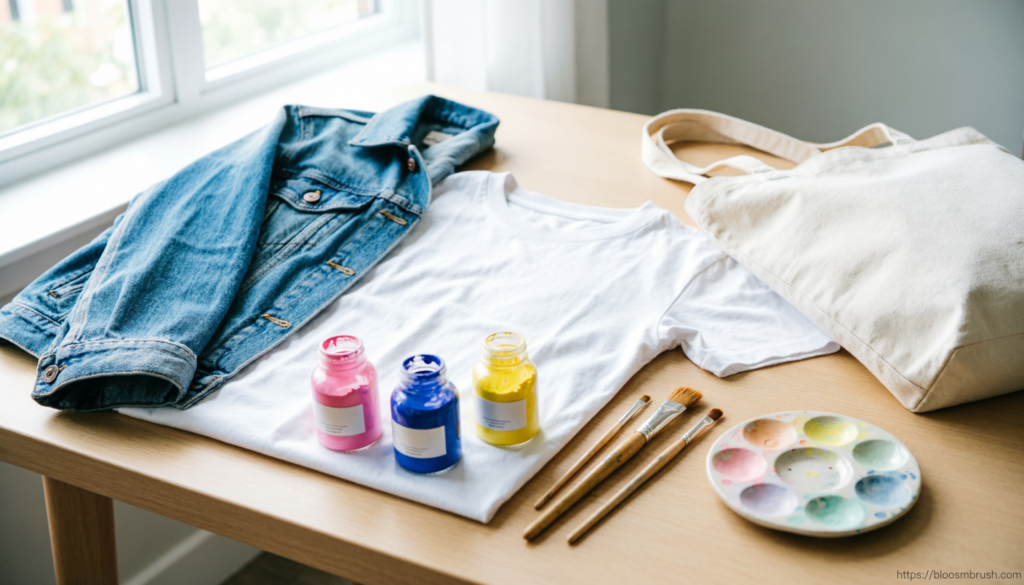
Hand painted clothing looks personal, creative, and one of a kind, but the final result depends heavily on the fabric you choose. The best fabric for hand painted clothes should hold paint well, feel comfortable, resist cracking, and survive regular washing with proper care.
Cotton, denim, canvas, and cotton-blend fabrics usually work best for fabric painting because they absorb paint evenly and provide a stable surface. Stretchy, slippery, or delicate fabrics can still work, but they need extra preparation, the right paint, and gentler care.
Quick Answer: Best Fabric for Hand Painted Clothes
The best fabric for hand painted clothes is usually 100% cotton because it absorbs fabric paint well, feels soft, and works for shirts, tote bags, hoodies, and casual wear. Denim and canvas also work beautifully because they provide a strong, textured surface for bold artwork.
For beginners, a cotton shirt for fabric painting is the safest choice. It gives smooth results, handles washable fabric paint well, and makes the painting process easier than slippery or highly stretchy materials.
Quick Tip
Always wash and dry the fabric before painting. New clothes often contain sizing, softeners, or factory finishes that can stop paint from bonding properly.
What Makes Fabric Choice So Important?
Fabric painting is not only about the design. The material controls how the paint spreads, how sharp the details look, and how long the artwork lasts after washing.
The wrong fabric can cause problems such as:
- Paint bleeding: The design spreads beyond the lines and loses detail.
- Cracking: Paint breaks apart when the fabric stretches or bends.
- Poor color payoff: The paint looks dull because the fabric absorbs it unevenly.
- Fading after washing: Weak paint bonding causes the design to lose brightness.
- Stiff texture: Heavy paint can make soft clothing uncomfortable.
A good fabric gives the paint enough grip without swallowing the color. It should also match the item’s use. A painted denim jacket has different needs than a lightweight cotton T-shirt or a soft hoodie.
Best Fabric Paints, Fabrics, and Materials to Consider
The best clothes material for painting depends on the look you want, the type of garment, and how often the item will be worn or washed.
Best Fabrics for Fabric Painting
| Fabric Type | Best For | Why It Works | Difficulty Level |
|---|---|---|---|
| 100% Cotton | T-shirts, baby clothes, casual tops | Absorbs paint well and feels soft | Easy |
| Cotton Blend | Shirts, sweatshirts, hoodies | Comfortable and usually paint-friendly | Easy to medium |
| Denim | Jackets, jeans, patches | Strong surface with excellent durability | Easy to medium |
| Canvas | Tote bags, shoes, aprons | Thick, sturdy, and great for bold designs | Easy |
| Linen | Summer shirts, artistic clothing | Natural texture gives a handmade look | Medium |
| Polyester | Sportswear, synthetic clothing | Can work with the right paint, but less absorbent | Medium to hard |
| Silk or Satin | Scarves, delicate fashion pieces | Elegant surface, but paint can bleed easily | Hard |
For most people, cotton and denim offer the best balance of comfort, durability, and clean results.
Is Cotton the Best Fabric for Fabric Painting?
Cotton is often the best fabric for fabric painting because it has a natural fiber structure. Paint bonds more easily to cotton than to slick synthetic fabrics.
A cotton shirt for fabric painting works especially well for:
- Custom T-shirts
- Kids’ clothing
- Hand painted quote shirts
- Floral designs
- Small illustrations
- Beginner fabric painting projects
Choose medium-weight cotton when possible. Very thin cotton may allow paint to bleed through, while very thick cotton may need more paint for strong color coverage.
Is Denim Good for Hand Painted Clothes?
Denim is excellent for hand painted clothing, especially jackets and jeans. It gives the artist a firm surface, so details stay clear and bold designs look strong.
Denim works well for:
- Painted denim jackets
- Custom jeans
- Back-panel artwork
- Patches
- Streetwear designs
- Bold lettering
Light-wash denim may show colors more clearly, while dark denim often needs opaque or lighter paint shades for the design to stand out.
Can You Paint on Hoodies?
Yes, hoodies can work well for fabric painting, especially cotton or cotton-polyester blends. The surface may feel softer and thicker than a T-shirt, so the paint application needs care.
For painted hoodies care, avoid overloading the fabric with thick paint. Heavy paint layers can crack around the chest, sleeves, cuffs, and pocket area because those areas move often.
What About Polyester and Stretchy Fabrics?
Polyester and stretchy fabrics can be painted, but they are not the easiest choice. Polyester does not absorb paint like cotton, and stretch fabrics can crack if the design moves too much.
Use these tips for better results:
- Choose fabric paint made for synthetic fibers.
- Test paint on a hidden area first.
- Avoid large stiff designs on highly stretchy fabric.
- Keep paint layers thin.
- Let the garment cure fully before washing.
If you want long-lasting results, cotton, denim, and canvas usually perform better than polyester-heavy fabrics.
Best Fabric Paint for Clothes
The best fabric paint for clothes should stay flexible, washable, and bright after drying. Regular acrylic paint can feel stiff and may crack unless you mix it with a fabric medium.
Common Paint Options for Hand Painted Clothing
| Paint Type | Best Use | Pros | Watch Out For |
|---|---|---|---|
| Fabric Paint | Shirts, hoodies, denim, canvas | Flexible, washable, made for clothes | Needs proper curing |
| Acrylic Paint with Fabric Medium | Custom designs, detailed artwork | Strong color range and easy to find | Must be mixed correctly |
| Fabric Markers | Lettering, outlines, small details | Clean lines and beginner-friendly | Not ideal for large painted areas |
| Puff Paint | Raised designs and decorative accents | Adds texture | Can crack if applied too thick |
| Textile Ink | Soft designs and professional finishes | Smooth feel and strong results | May need special tools |
For wearable clothing, use washable fabric paint whenever possible. It gives better long-term results than untreated craft acrylic paint.
Fabric Paint vs Acrylic Paint
Fabric paint and acrylic paint may look similar at first, but they behave differently on clothing.
| Feature | Fabric Paint | Regular Acrylic Paint |
|---|---|---|
| Flexibility | Stays more flexible on fabric | Can become stiff |
| Washing | Designed for washable painted clothes | May fade or crack faster |
| Comfort | Usually softer after curing | Can feel rough if applied thickly |
| Best Use | Wearable clothing | Canvas art or mixed media |
| Clothing Safety | Better choice for garments | Needs fabric medium |
If you only have acrylic paint, mix it with a fabric medium before painting clothes. This helps the paint move with the fabric instead of sitting on top like a hard layer.
Step by Step Care or Application Process
Good fabric painting starts before the brush touches the clothing. Preparation helps the paint bond better and prevents common damage.
Step 1: Wash the Fabric First
Wash the clothing without fabric softener. This removes dust, oils, sizing, and factory coatings.
Do not skip this step with new clothing. Even a high-quality cotton shirt for fabric painting may have finishes that block paint absorption.
Step 2: Dry and Iron the Fabric
Paint works best on clean, dry, smooth fabric. Iron the area if wrinkles make the surface uneven.
Wrinkles can cause:
- Broken lines
- Uneven color
- Paint pooling
- Distorted artwork
Step 3: Place a Barrier Inside the Clothing
Slide cardboard, plastic sheet, or freezer paper inside the shirt, hoodie, or tote bag. This stops paint from bleeding through to the back layer.
For shirts and hoodies, keep the barrier flat so the design does not stretch during painting.
Step 4: Sketch Lightly
Use tailor’s chalk, washable pencil, or a light hand with a pencil on pale fabric. Avoid dark sketch marks that may show through light paint.
For dark fabrics, chalk or white fabric pencil works better.
Step 5: Apply Thin Paint Layers
Thin layers last longer than one thick layer. Let each layer dry before adding more paint.
This helps prevent:
- Fabric paint cracking
- Stiff patches
- Uneven texture
- Slow drying
- Peeling after washing
Step 6: Let the Paint Cure
Drying and curing are not the same. Paint may feel dry on the surface but still need time to bond fully with the fabric.
Follow the paint brand’s instructions. Many fabric paints need 24 to 72 hours before washing.
Step 7: Heat Set if Required
Some fabric paints need heat setting with an iron. Always check the product label first.
Use a pressing cloth between the iron and the design. Never place a hot iron directly on painted artwork unless the paint instructions clearly allow it.
Washing, Drying, Ironing, and Storage Rules
Proper fabric painting aftercare keeps the design bright and wearable. Hand painted clothing can last a long time, but it needs gentler care than regular printed clothing.
How to Wash Hand Painted Clothes
Use these rules when you wash painted clothes:
- Turn the clothing inside out. This protects the painted surface from rubbing.
- Use cold water. Hot water can weaken paint and fade colors faster.
- Choose a gentle cycle. Rough spinning can stress the painted area.
- Use mild detergent. Harsh cleaners can damage the artwork.
- Avoid bleach. Bleach can ruin both fabric and paint.
- Do not scrub the design. Spot-clean around the artwork instead.
Hand washing is best for delicate pieces, detailed artwork, or custom painted clothes with sentimental value.
How to Dry Hand Painted Clothes
The safest way to dry hand painted clothes is air drying. Lay the item flat or hang it in a shaded area.
Avoid:
- High dryer heat
- Direct sunlight for long periods
- Wringing the painted area
- Rough towel rubbing
- Hanging heavy wet hoodies in a way that stretches the design
Heat and friction cause many painted clothes mistakes, especially on shirts and hoodies.
How to Iron Fabric Painted Shirts
You can iron fabric painted shirts, but you need to protect the artwork.
Use this method:
- Turn the garment inside out.
- Set the iron to a fabric-safe temperature.
- Place a thin cloth over the painted area if ironing from the front.
- Avoid steam unless the paint label allows it.
- Do not drag the iron across raised or textured paint.
For delicate artwork, iron around the design instead of over it.
How to Store Hand Painted Clothing
Store painted clothing in a cool, dry place. Fold it so the artwork does not sit under heavy pressure.
For jackets, hoodies, or detailed pieces, hanging often works better than tight folding. Avoid plastic storage bags for long periods because trapped moisture can affect both fabric and paint.
Common Mistakes That Damage Hand Painted Clothes
Many problems with hand painted shirt damage come from preparation or care mistakes. A few small habits can shorten the life of the artwork.
Mistake 1: Painting on Unwashed Fabric
New clothing may look clean, but it often carries factory coatings. Paint may sit on top instead of bonding with the fibers.
Mistake 2: Using Regular Acrylic Paint Alone
Regular acrylic paint can dry hard. On wearable clothing, that stiffness often leads to cracks.
Use fabric paint or mix acrylic paint with fabric medium.
Mistake 3: Applying Paint Too Thickly
Thick paint may look bold at first, but it can crack after stretching or washing. Build color with thin layers instead.
Mistake 4: Washing Too Soon
Paint needs time to cure. Washing the item too early can cause fading, peeling, or blurred edges.
Mistake 5: Using Hot Water or High Dryer Heat
Heat can weaken the painted surface. Cold washing and air drying protect the design better.
Mistake 6: Scrubbing the Artwork
Scrubbing may remove paint, especially from detailed areas. Treat stains carefully and clean around the artwork when possible.
Durability Expectations and How to Prevent Fading
Fabric paint durability depends on the fabric, paint quality, application method, curing time, and aftercare. A properly painted cotton shirt, denim jacket, or canvas tote can last through many washes if treated well.
How Long Do Hand Painted Clothes Last?
There is no single timeline because every garment is different. Still, these general expectations can help:
| Item Type | Expected Durability | Best Care Method |
|---|---|---|
| Cotton T-shirt | Good with gentle washing | Inside out, cold wash, air dry |
| Hoodie | Good, but may crack in high-movement areas | Wash less often and avoid heavy paint layers |
| Denim Jacket | Very good because denim is sturdy | Spot-clean when possible |
| Canvas Tote | Very good for bold designs | Avoid soaking and harsh scrubbing |
| Delicate Fabric | Varies widely | Hand wash or ask the artist |
A painted denim jacket often lasts longer than a frequently washed T-shirt because jackets do not need washing as often.
How to Prevent Fading
To prevent fading, treat hand painted clothing as wearable artwork. You can still wear it often, but avoid rough laundry habits.
Helpful habits include:
- Wash only when needed.
- Use cold water and mild detergent.
- Keep the garment inside out during washing.
- Air dry away from harsh sunlight.
- Avoid bleach and stain removers on the painted area.
- Store the item without folding directly across the design.
- Touch up small faded areas before they become obvious.
Dark fabric may show fading differently than light fabric. On dark clothes, bright paint colors may lose contrast sooner if the garment gets heavy washing.
Care Tips for Shirts, Hoodies, Denim, and Delicate Fabrics
Different garments need different care. A soft T-shirt does not behave like a denim jacket, and a hoodie has more stretch and thickness than a canvas tote.
Painted Shirts Care
Painted shirts need gentle laundry habits because they usually get washed often.
Use these tips:
- Choose cotton or cotton-blend shirts for better paint bonding.
- Turn shirts inside out before every wash.
- Avoid tight folding across the painted area.
- Do not stretch the design while the shirt is wet.
- Air dry whenever possible.
A cotton shirt for fabric painting gives the best beginner-friendly result, but care still matters after the design dries.
Painted Hoodies Care
Hoodies are thicker and often have textured surfaces. Paint can sit differently on fleece or brushed cotton.
Use these tips:
- Keep designs away from high-stretch areas if possible.
- Avoid very thick paint on sleeves, cuffs, and pockets.
- Wash hoodies less often than T-shirts.
- Dry flat if the hoodie feels heavy when wet.
- Do not iron directly over raised paint.
Painted hoodies care matters most around areas that bend often, such as elbows, pocket edges, and the lower front.
Painted Denim Jacket Care
Denim jacket (Painted) care is usually easier because denim is strong. The main risk comes from rough washing or heavy creasing.
Use these tips:
- Spot-clean instead of machine washing when possible.
- Wash inside out on a gentle cycle only when needed.
- Avoid stiff folding across the back design.
- Use opaque fabric paint for strong color on dark denim.
- Let touched-up areas cure fully before wearing.
Denim works especially well for large back designs, lettering, florals, patches, and bold artwork.
Delicate Fabric Care
Silk, satin, chiffon, and thin linen need extra care. These fabrics can bleed, wrinkle, or react poorly to heat.
Use these tips:
- Ask the artist or check the paint label before washing.
- Hand wash only if the fabric and paint allow it.
- Avoid soaking.
- Do not twist or wring the fabric.
- Test ironing on a hidden area first.
For expensive or sentimental pieces, professional cleaning may be safer.
When to Ask a Custom Artist Before Washing or Repainting
Custom painted clothes often include special paint blends, sealers, or techniques. If you bought the item from an artist, ask for care instructions before the first wash.
You should contact the custom painted clothes artist if:
- The garment has raised, metallic, glitter, or textured paint.
- The design includes rhinestones, patches, or mixed materials.
- You do not know whether the paint was heat set.
- The fabric feels delicate, stretchy, or synthetic.
- The artwork starts cracking, peeling, or fading.
- You want repainting hand painted clothing without ruining the original design.
A good artist can tell you how to wash hand painted clothes safely and whether a touch-up will blend well with the existing artwork.
Best Fabric for Hand Painted Clothes by Project Type
The right material depends on what you want to create. Use this guide before choosing your garment.
| Project | Best Fabric Choice | Why It Works |
|---|---|---|
| Beginner T-shirt design | 100% cotton | Easy to paint, soft, and washable |
| Custom hoodie | Cotton-blend fleece | Comfortable and paint-friendly |
| Statement jacket | Denim | Durable and ideal for bold artwork |
| Painted tote bag | Canvas | Strong, flat, and easy to paint |
| Detailed lettering | Smooth cotton | Helps lines stay clean |
| Shoes | Canvas | Holds paint better than slick materials |
| Delicate fashion piece | Linen or silk with proper paint | Works for artistic pieces, but needs care |
If you want the safest all-around option, choose medium-weight cotton. If you want the most durable statement piece, choose denim or canvas.
Related Custom Painted Clothing Guides
If you plan to create or care for custom hand painted clothes, these related topics can help you build better results:
- How to wash hand painted clothes without fading or cracking
- Fabric paint vs acrylic paint for wearable designs
- Best fabric paint for clothes based on garment type
- Painted denim jacket care for long-lasting artwork
- How to prevent fabric paint cracking on shirts and hoodies
- Custom hand painted clothes buying and care tips
- Repainting hand painted clothing without damaging the original design
These guides matter because fabric painting does not end after the artwork dries. Long-term care decides how well the design ages.
Conclusion
The best fabric for hand painted clothes is usually cotton, denim, or canvas because these materials hold paint well, feel practical, and offer strong durability with the right care. Cotton works best for shirts and beginner projects, denim suits jackets and bold artwork, and canvas handles bags, shoes, and sturdy accessories.
Choose the right fabric, use washable fabric paint, prepare the clothing properly, and follow gentle washing rules. With those basics in place, hand painted clothing can stay bright, wearable, and personal for a long time.
FAQs About Best Fabric for Hand Painted Clothes
What is the best fabric for hand painted clothes?
The best fabric for hand painted clothes is usually 100% cotton because it absorbs paint well and feels comfortable. Denim and canvas are also excellent choices for stronger, longer-lasting designs.
Is cotton good for fabric painting?
Yes, cotton is one of the best fabrics for fabric painting. It gives paint a natural surface to bond with and works well for T-shirts, hoodies, tote bags, and children’s clothing.
Can you wash painted clothes?
Yes, you can wash painted clothes if the paint has fully cured. Turn the garment inside out, use cold water, choose a gentle cycle, and avoid bleach or harsh detergent.
Does fabric paint crack?
Fabric paint can crack if you apply it too thickly, wash it too soon, use the wrong paint, or paint on very stretchy fabric. Thin layers and proper curing help prevent cracking.
Can I use acrylic paint on clothes?
You can use acrylic paint on clothes, but it works better when mixed with fabric medium. Regular acrylic paint alone may dry stiff and crack after washing or stretching.
What fabric should beginners use for painting clothes?
Beginners should start with a smooth, medium-weight cotton shirt. It is easy to paint, widely available, and more forgiving than slippery, stretchy, or delicate fabrics.
How do you stop hand painted clothes from fading?
Wash the item inside out in cold water, use mild detergent, avoid high dryer heat, and keep it away from harsh sunlight during drying. Proper heat setting and curing also help the design last longer.
Is denim good for fabric painting?
Yes, denim is great for fabric painting. It has a sturdy surface, holds bold artwork well, and usually lasts longer than frequently washed lightweight shirts.