
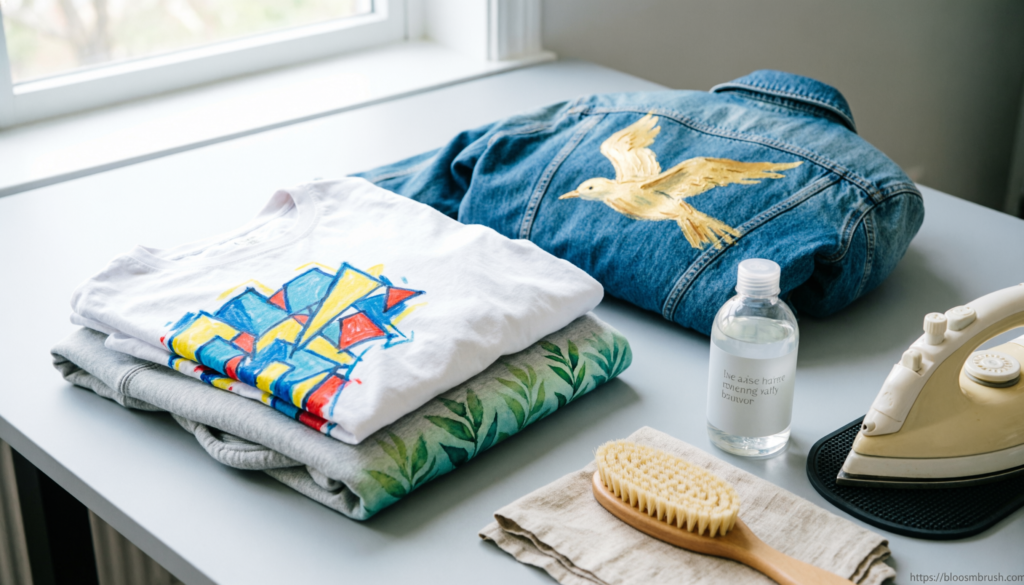
Hand painted clothes can look bold, personal, and one of a kind, but many people worry about one thing before wearing or washing them: can hand painted clothes fade over time? The honest answer is yes, they can fade, but good materials, proper heat setting, careful washing, and smart storage can keep the design looking fresh for much longer.
Painted shirts, hoodies, denim jackets, tote bags, and delicate fabrics all need slightly different care. Once you understand what causes fading, cracking, and peeling, it becomes much easier to protect your custom clothing.
Quick Answer: Can Hand Painted Clothes Fade?
Yes, hand painted clothes can fade, especially if the artist used poor-quality paint, skipped heat setting, painted on the wrong fabric, or if the item gets washed harshly. High-quality fabric paint, proper curing, gentle washing, air drying, and inside-out storage can greatly reduce fading.
If you own a custom painted shirt, hoodie, or denim jacket, treat it like wearable art. You can still wear it often, but you should avoid hot water, strong detergents, bleach, rough scrubbing, and high dryer heat.
Quick Tip
Wash hand painted clothes inside out in cold water, then air dry them flat or on a hanger. This one habit protects the painted surface from friction, heat, and detergent damage.
What Makes This Important?
Hand painted clothing is different from regular printed clothing. A machine print often uses industrial inks and controlled curing methods, while a hand painted design depends heavily on the artist’s paint choice, technique, fabric preparation, and aftercare instructions.
Fading matters because it can affect:
- Color brightness: Reds, yellows, neons, and light shades may lose intensity faster than darker colors.
- Design sharpness: Fine lines, lettering, and small details can blur or wear down with rough washing.
- Fabric texture: Thick paint layers can crack if the fabric stretches or folds often.
- Overall value: Custom painted clothes often cost more than standard printed clothing, so proper care protects your investment.
- Wearability: A faded or cracked design may still look artistic, but it may not match the original custom look.
The good news is that most fading problems come from preventable mistakes. Better paint, better fabric, and better care make a big difference.
Best Fabric Paints, Fabrics, and Materials to Consider
The durability of hand painted clothes starts before the first wash. Paint and fabric choice matter just as much as aftercare.
Best Fabric Paint for Clothes
The best fabric paint for clothes usually has three qualities: it bonds well to fibers, stays flexible after drying, and remains washable after curing.
Common options include:
- Washable fabric paint: A strong choice for shirts, hoodies, canvas bags, and everyday clothing because it is made to handle gentle laundering.
- Soft fabric paint: Works well on T-shirts and lightweight cotton because it keeps the fabric from feeling stiff.
- Opaque fabric paint: Best for dark clothing, denim, and bold designs that need strong coverage.
- Dimensional fabric paint: Useful for raised details, but it can crack more easily if applied too thickly.
- Textile medium mixed with acrylic paint: This can work if mixed correctly, but plain acrylic paint alone often dries stiff and may crack.
Fabric Paint vs Acrylic Paint
Acrylic paint and fabric paint are not the same, even though many beginners confuse them.
| Paint Type | Best Use | Durability on Clothes | Main Concern |
|---|---|---|---|
| Fabric paint | Clothing, bags, denim, canvas | Usually strong when cured properly | Needs correct drying and heat setting |
| Acrylic paint alone | Canvas, wood, paper, crafts | Often poor on flexible clothing | Can dry stiff, crack, or peel |
| Acrylic paint with textile medium | Budget fabric painting projects | Better than plain acrylic | Must be mixed correctly |
| Professional textile paint | Custom clothing and wearable art | Usually very strong | May cost more |
For clothing that will be washed and worn, fabric paint is usually the safest option. Acrylic paint may look good at first, but without textile medium, it often struggles on stretchy or frequently washed fabric.
Best Fabrics for Hand Painted Clothing
Some fabrics hold paint better than others. Smooth, natural fibers usually give the best results.
Good fabric choices include:
- Cotton: One of the best options for painted shirts because it absorbs fabric paint well.
- Cotton blends: Good for everyday wear, but high stretch content may affect cracking.
- Denim: Excellent for jackets, jeans, and patches because it is sturdy and textured.
- Canvas: Great for tote bags, shoes, and heavier custom pieces.
- Fleece or hoodie fabric: Works well, but thick texture can make details harder to paint.
- Linen: Can hold paint beautifully, but it wrinkles easily and needs gentle care.
Fabrics that need extra caution include:
- Silk: Delicate and often requires special fabric paint or professional care.
- Satin: Smooth but slippery, so paint may not bond as strongly.
- Nylon or polyester: Can be difficult because some paints do not grip synthetic fibers well.
- Very stretchy fabrics: Paint may crack as the fabric pulls and recovers.
Step by Step Care or Application Process
If you are painting clothes yourself, the application process affects how long the design lasts. If you bought custom hand painted clothes, this section helps you understand why artist instructions matter.
1. Wash the Fabric Before Painting
New clothing often contains sizing, softeners, oils, or factory finishes. These coatings can stop paint from bonding properly.
Before painting:
- Wash the item with mild detergent.
- Avoid fabric softener.
- Dry it fully before painting.
- Iron out wrinkles if the fabric allows it.
A clean surface helps the paint grip the fibers instead of sitting weakly on top.
2. Choose the Right Paint for the Fabric
Match the paint to the clothing type. A soft cotton T-shirt needs flexible fabric paint, while denim can handle thicker opaque paint.
For best results:
- Use washable fabric paint for everyday clothing.
- Use opaque paint for dark fabrics.
- Use textile medium if working with acrylic paint.
- Test the paint on a hidden area or scrap fabric first.
3. Apply Thin, Even Layers
Thick paint looks bold at first, but it can crack after washing or bending. Thin layers usually last longer.
A stronger painting method looks like this:
- Apply a light base layer.
- Let it dry fully.
- Add another thin layer if needed.
- Build detail slowly.
- Avoid heavy paint buildup on stretchy areas.
This approach keeps the design flexible and more comfortable to wear.
4. Let the Paint Dry Completely
Drying time depends on paint type, fabric thickness, room temperature, and layer thickness. Many fabric paints need at least 24 hours before heat setting, but some require longer.
Do not rush this step. If the paint feels dry on top but remains soft underneath, washing or ironing can damage the design.
5. Heat Set the Paint If Required
Many fabric paints need heat setting to become washable. Heat helps lock the pigment into the fibers and improves fabric paint durability.
Common heat setting methods include:
- Ironing from the reverse side.
- Placing a pressing cloth over the design.
- Using medium heat if the fabric allows it.
- Avoiding steam unless the paint instructions allow it.
Always check the paint label first. Some paints cure through air drying, while others need heat.
6. Wait Before the First Wash
Even if the design looks finished, give it time to cure. Many painted clothes should not be washed for at least 72 hours after painting or heat setting.
For custom pieces, follow the artist’s instructions. Some designs need a longer waiting period because of layered paint, metallic finishes, or detailed work.
Washing, Drying, Ironing, and Storage Rules
Good aftercare can prevent most painted clothes color fading. Treat the painted area gently, and the design will usually hold up much better.
How to Wash Hand Painted Clothes
Washing is the biggest fading risk for hand painted clothing. The goal is to reduce friction, heat, and harsh chemical exposure.
Follow these rules:
- Turn the item inside out: This protects the design from rubbing against other clothes.
- Use cold water: Hot water can weaken the paint bond and fade colors faster.
- Choose a gentle cycle: A mild wash reduces friction and stretching.
- Use mild detergent: Strong detergents can dull painted colors.
- Avoid bleach: Bleach can destroy pigment and damage fabric.
- Wash with similar soft items: Heavy jeans, zippers, and towels can scrape the painted surface.
- Hand wash when possible: This gives you the most control, especially for delicate or expensive pieces.
If the item has a large custom design, hand washing is usually the safer option.
How to Dry Hand Painted Clothes
Heat and rough tumbling can damage fabric paint. Air drying is the best choice for most painted clothing.
Use these drying tips:
- Lay the item flat on a clean towel.
- Hang heavier items, such as hoodies, on a strong hanger.
- Keep the painted area away from direct sunlight.
- Avoid wringing the fabric.
- Do not use high dryer heat.
- Use the lowest heat setting only if the care label and artist instructions allow it.
Direct sunlight can fade fabric paint over time, especially bright colors and pastel shades.
How to Iron Fabric Painted Shirts
Ironing can help smooth the fabric, but direct heat can damage the painted surface.
Iron painted clothing safely by following these steps:
- Turn the item inside out.
- Place a thin cotton cloth between the iron and the fabric if needed.
- Use low to medium heat based on the fabric type.
- Avoid steam unless the paint instructions allow it.
- Never press the iron directly onto the painted design.
If the design includes glitter, metallic paint, raised paint, or vinyl details, ask the artist before ironing.
How to Store Painted Clothes
Storage affects fading more than many people expect. Poor storage can lead to cracking, creasing, dust buildup, and sunlight damage.
For better storage:
- Keep painted clothes away from direct sunlight.
- Fold them with the painted side protected.
- Avoid sharp creases across the design.
- Hang denim jackets and hoodies when possible.
- Store delicate painted items in breathable garment bags.
- Avoid damp closets, which can damage both fabric and paint.
If you fold a painted shirt, place tissue paper or soft cotton over the design to reduce friction.
Common Mistakes That Damage Hand Painted Clothes
Most hand painted shirt damage comes from a few common habits. Avoid these, and your clothing will last much longer.
| Mistake | Why It Damages the Design | Better Choice |
|---|---|---|
| Washing in hot water | Heat can fade pigment and weaken paint bonding | Use cold water |
| Using bleach | Bleach strips color and damages fibers | Use mild detergent |
| Scrubbing the painted area | Friction can lift or crack paint | Gently spot clean around the design |
| Using high dryer heat | Heat and tumbling can cause cracking | Air dry |
| Ironing directly on paint | Direct heat can melt, smear, or flatten paint | Iron inside out |
| Washing too soon after painting | Paint may not be fully cured | Wait at least 72 hours or follow artist instructions |
| Applying paint too thickly | Thick layers can crack as fabric moves | Use thin, flexible layers |
| Storing in direct sunlight | UV exposure can fade colors | Store in a cool, shaded place |
Why Fabric Paint Cracking Happens
Fabric paint cracking usually happens when the paint cannot move with the fabric. This can happen because the paint layer is too thick, the fabric stretches too much, or the item goes through rough washing.
To reduce cracking:
- Use flexible fabric paint.
- Avoid painting thick layers over stretchy areas.
- Wash gently.
- Air dry the item.
- Do not twist or wring the fabric.
Cracking does not always mean the whole design is ruined, but it can make the artwork look older and less clean.
Why Paint Peels Off Clothes
Peeling often means the paint did not bond well to the fabric. This may happen if the clothing was not washed before painting, the wrong paint was used, or the design was not cured properly.
Peeling can also happen if someone paints over a waterproof coating, synthetic fabric, or fabric softener residue.
Durability Expectations and How to Prevent Fading
Hand painted clothes can last for years with proper care, but durability depends on how the item was made and how often you wear it.
How Long Do Hand Painted Clothes Last?
A well-painted and well-cared-for garment can stay bright through many wears and washes. A poorly painted item may fade, crack, or peel after only a few washes.
Durability depends on:
- Paint quality
- Fabric type
- Heat setting or curing method
- Paint thickness
- Washing frequency
- Drying method
- Sun exposure
- How much the fabric stretches during wear
A painted denim jacket often lasts longer than a painted stretchy T-shirt because denim moves less and handles paint well. A hoodie can also last well, but the soft, thick fabric needs careful washing and drying.
How to Prevent Fabric Paint Fading
To prevent fading, focus on gentle care and low heat.
Use these habits:
- Wash less often when possible: If the item is not dirty, air it out instead of washing after every wear.
- Spot clean small marks: Clean around the painted area instead of washing the full garment.
- Use cold water only: Cold water protects both fabric and paint.
- Avoid harsh detergents: Choose mild, color-safe detergent.
- Dry away from sunlight: Sunlight can fade painted clothes over time.
- Protect the painted side: Turn the garment inside out before washing and storing.
- Follow the artist’s care card: Custom pieces may need special treatment.
Can Faded Hand Painted Clothes Be Fixed?
Sometimes, yes. Light fading can often be refreshed by repainting the design or adding a protective layer, but it depends on the paint, fabric, and condition of the garment.
A design may be fixable if:
- The fabric remains strong.
- The paint has faded but not peeled badly.
- The original lines are still visible.
- The artist can match the original colors.
- The painted area has not stretched out of shape.
If the paint has cracked heavily or peeled in large sections, repainting may still help, but the result may not look exactly like the original.
Care Tips for Shirts, Hoodies, Denim, and Delicate Fabrics
Different garments need different care. A painted shirt does not behave the same way as a painted denim jacket or silk blouse.
Painted Shirts Care
Painted shirts often face frequent washing, body heat, stretching, and friction from jackets or bags.
To care for painted shirts:
- Wash inside out in cold water.
- Use a gentle cycle or hand wash.
- Avoid tight stretching across the design.
- Air dry instead of tumble drying.
- Iron from the reverse side only.
- Store folded with the design protected.
For T-shirts, soft fabric paint usually feels better than thick opaque layers, especially across the chest or back.
Painted Hoodies Care
Hoodies are thicker and heavier than shirts. They take longer to dry and often rub against coats, backpacks, and seat belts.
To care for painted hoodies:
- Wash them separately or with soft clothing.
- Turn them inside out before washing.
- Avoid heavy spin cycles.
- Reshape the hoodie while damp.
- Air dry on a hanger or flat surface.
- Keep the painted area from folding sharply.
Painted hoodies can last well, but they need enough drying time. Never store a damp hoodie, as moisture can damage the fabric and painted design.
Painted Denim Jacket Care
Denim is one of the best surfaces for hand painted clothing. It is sturdy, textured, and less stretchy than many fabrics.
To care for a painted denim jacket:
- Wash only when necessary.
- Spot clean whenever possible.
- Use cold water and mild detergent.
- Avoid scrubbing the painted back panel.
- Air dry away from direct sun.
- Hang it instead of folding it through the design.
A painted denim jacket may not need frequent washing, which helps preserve the artwork.
Painted Delicate Fabrics Care
Delicate fabrics need the most caution. Silk, satin, chiffon, thin linen, and soft knits can react badly to rough washing or strong detergents.
For delicate painted clothing:
- Hand wash only if the artist says it is safe.
- Use cool water and very mild detergent.
- Do not soak for long periods.
- Avoid twisting or wringing.
- Dry flat on a towel.
- Keep away from direct heat.
If the garment is expensive, sentimental, or made from silk or satin, ask the artist or a professional cleaner before washing.
When to Ask a Custom Artist Before Washing or Repainting
A custom painted clothes artist knows which paints, sealers, and techniques they used. Their care advice matters more than general rules, especially for detailed or expensive pieces.
Ask the artist before washing if:
- The design uses metallic, glitter, glow, or raised paint.
- The item has rhinestones, beads, or mixed media.
- The fabric is silk, satin, leather, faux leather, or nylon.
- The paint feels thick or textured.
- You do not know if the design was heat set.
- The garment came without care instructions.
- The artwork covers a large area.
- The item has sentimental or high resale value.
Ask before repainting if:
- The color has faded unevenly.
- The paint has cracked or peeled.
- You want to change part of the design.
- The original artist used a special finish.
- The fabric has stretched, shrunk, or stained.
A good artist may suggest touch-up paint, repainting, sealing, or safer cleaning methods based on the original materials.
Related Custom Painted Clothing Guides
If you care for custom clothing, these related topics can help you make better choices before buying, painting, washing, or repairing a piece:
- How to wash hand painted clothes: A complete washing guide for shirts, hoodies, denim, and canvas items.
- Fabric paint vs acrylic paint: A practical comparison for beginners and custom clothing buyers.
- Best fabric paint for clothes: What to use for cotton, denim, hoodies, shoes, and dark fabrics.
- How to heat set fabric paint: Safe methods for making painted clothing more washable.
- Custom hand painted clothes care: Long-term aftercare for wearable art, gifts, and personalized fashion pieces.
- How to fix cracked fabric paint: When touch-ups work and when repainting makes more sense.
Conclusion
So, can hand painted clothes fade? Yes, but fading is not unavoidable. The right fabric paint, proper curing, gentle washing, careful drying, and smart storage can keep painted clothing bright and wearable for a long time.
Think of hand painted clothing as functional art. Wear it, enjoy it, and care for it with a little more attention than a regular printed shirt. That small effort can protect the color, detail, and personality that made the piece special in the first place.
FAQs About Can Hand Painted Clothes Fade?
Do hand painted shirts fade after washing?
Hand painted shirts can fade after washing if you use hot water, harsh detergent, bleach, or high dryer heat. Washing inside out in cold water and air drying helps protect the design.
Are hand painted clothes washable?
Yes, many hand painted clothes are washable if the artist used washable fabric paint and cured it properly. Always follow the care instructions, especially for custom or delicate pieces.
How do I stop fabric paint from fading?
Use high-quality fabric paint, heat set it if required, wash the item inside out in cold water, avoid bleach, and air dry it away from direct sunlight.
Can hand painted clothes fade in sunlight?
Yes, sunlight can fade painted clothes over time. Store them away from direct sunlight and avoid drying them outside in strong sun for long periods.
Is fabric paint permanent on clothes?
Fabric paint can be long-lasting on clothes when applied and cured correctly. However, no painted garment is completely immune to wear, fading, or cracking.
Can I put hand painted clothes in the dryer?
Air drying is safer. If you use a dryer, choose the lowest heat setting only if the fabric and paint instructions allow it. High heat can cause fading or cracking.
Why is my fabric paint cracking?
Fabric paint often cracks when the paint layer is too thick, the fabric stretches a lot, or the garment goes through rough washing and drying. Thin layers and gentle care reduce cracking.
Can faded painted clothing be repainted?
Yes, faded painted clothing can often be touched up or repainted if the fabric is still in good condition. Ask the original artist first if the piece is custom, detailed, or valuable.