
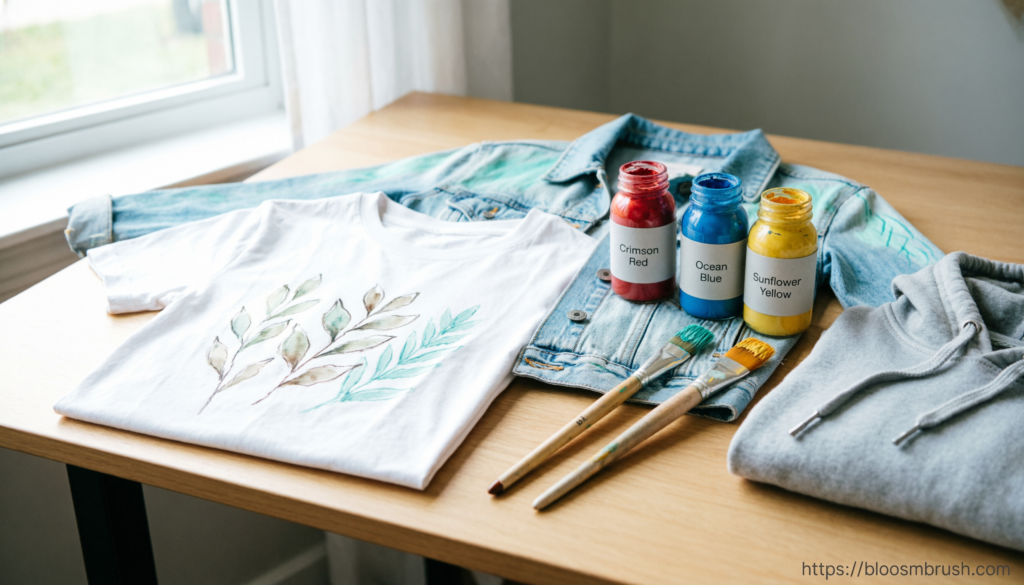
Fabric paint can last for years on clothes when you use the right paint, apply it properly, heat-set it, and wash the garment with care. A well-painted shirt, hoodie, denim jacket, or tote bag should not peel or disappear after a few washes, but its lifespan depends heavily on fabric type, paint quality, washing habits, and how often you wear it.
If you are wondering how long does fabric paint last on clothes, the honest answer is: it can last a long time, but only if you treat the painted area differently from a regular printed garment. Hand painted clothing needs gentle aftercare, especially during washing, drying, ironing, and storage.
Quick Answer: How Long Does Fabric Paint Last on Clothes?
Fabric paint usually lasts several months to several years on clothes. High-quality fabric paint that has been properly heat-set can stay bright and flexible through many washes, while poorly applied paint may crack, fade, or peel within a few washes.
Fabric paint is often permanent on clothes once it cures and bonds with the fibers, but “permanent” does not mean indestructible. Heat, harsh detergents, bleach, rough washing, and high dryer temperatures can shorten its life.
Quick Tip
Always wash painted clothes inside out in cold water and let them air dry when possible. This single habit does more to protect fabric paint durability than almost any other care step.
What Makes This Important?
Painted clothes are different from regular printed clothing because the artwork usually sits partly on the fabric surface. Even washable fabric paint needs proper care to stay flexible, smooth, and vibrant.
Knowing how long fabric paint lasts helps you:
- Choose the right fabric paint for clothes before starting a project
- Avoid fabric paint cracking after washing
- Protect custom hand painted clothes from early damage
- Understand when fading is normal and when it means poor application
- Care for painted shirts, hoodies, denim jackets, and delicate fabrics correctly
This matters even more for custom painted clothing. A one-of-a-kind design cannot always be replaced easily, so a little care can protect both the garment and the artwork.
Is Fabric Paint Permanent on Clothes?
Fabric paint can be permanent on clothes when it is designed for textiles and applied correctly. Most good fabric paints bond to fibers after drying and heat setting. Once cured, the paint should survive regular wear and careful washing.
However, permanence depends on a few key things:
- Paint type: Real fabric paint lasts longer than regular acrylic paint used alone.
- Fabric surface: Cotton, denim, canvas, and cotton blends usually hold paint better than slick synthetic fabrics.
- Application thickness: Thin, even layers last longer than heavy, stiff layers.
- Heat setting: Many fabric paints need heat to fully bond with the fabric.
- Aftercare: Gentle washing and air drying help prevent fading, cracking, and peeling.
So, is fabric paint permanent on clothes? Yes, it can be. But it still needs careful handling, especially if the garment is worn and washed often.
Best Fabric Paints, Fabrics, and Materials to Consider
The durability of painted clothes starts before the first brushstroke. Paint, fabric, and preparation all affect how long the design lasts.
Best Fabric Paint for Clothes
The best fabric paint for clothes is flexible, washable, and made specifically for textiles. Look for paint that says it works on clothing, cotton, denim, canvas, or washable fabric.
Common options include:
- Soft fabric paint: Good for T-shirts, sweatshirts, and garments that need to stay flexible.
- Dimensional fabric paint: Creates raised designs, but it can crack if applied too thickly.
- Fabric paint markers: Useful for lettering, outlines, and small details.
- Textile medium mixed with acrylic paint: Helps acrylic paint become softer and more flexible on fabric.
- Opaque fabric paint: Works better on dark clothes and denim.
Regular acrylic paint can work on clothes only when mixed with a fabric medium. Acrylic paint alone often dries stiff and may crack faster on flexible garments.
Best Fabrics for Painted Clothing
Some fabrics hold paint better than others. Natural fibers usually give fabric paint a better surface to grip.
| Fabric Type | Durability With Fabric Paint | Best Use |
|---|---|---|
| Cotton | Excellent | T-shirts, sweatshirts, tote bags |
| Denim | Excellent | Jackets, jeans, bags |
| Canvas | Excellent | Shoes, bags, patches |
| Cotton blends | Good | Hoodies, casual shirts |
| Polyester | Fair to good | Sportswear, smooth tops |
| Silk or satin | Delicate | Light designs, special pieces |
| Stretch fabrics | Tricky | Designs that move and bend |
Cotton, denim, and canvas usually give the most reliable results. Stretchy fabrics need extra care because the paint moves every time the garment stretches.
Materials That Improve Painted Clothes Durability
For stronger results, artists often use more than just paint. These materials can help the design last longer:
- Fabric medium: Makes acrylic paint more flexible and washable.
- Heat-setting tools: An iron or heat press helps cure many fabric paints.
- Parchment paper or pressing cloth: Protects the artwork during heat setting.
- Mild detergent: Cleans without stripping color.
- Soft brush or sponge: Helps apply thin, even layers.
- Pre-washed garment: Removes sizing, softeners, and factory coatings that can block paint bonding.
Step by Step Care or Application Process
If you want fabric paint to last on clothes, application matters as much as aftercare. A strong painted design starts with a clean surface and proper curing.
Step 1: Wash the Garment First
Wash the clothing before painting it. New clothes may contain sizing, oils, dust, or fabric softener residue. These can stop the paint from bonding well.
Use plain detergent and skip fabric softener. Let the garment dry completely before painting.
Step 2: Choose the Right Paint
Use washable fabric paint made for clothing. If you use acrylic paint, mix it with a textile medium according to the product instructions.
Avoid thick craft paint on soft clothes unless the garment will rarely be washed.
Step 3: Place a Barrier Inside the Garment
For shirts and hoodies, place cardboard, freezer paper, or a plastic sheet inside the garment. This prevents paint from bleeding through to the back.
It also keeps the fabric flat while you paint.
Step 4: Apply Thin Layers
Thin layers last better than one thick layer. Heavy paint may look bold at first, but it often cracks because it cannot move with the fabric.
Let each layer dry before adding another one.
Step 5: Let the Paint Cure Fully
Drying and curing are not the same. Paint may feel dry on the surface within hours, but it can take longer to fully bond.
Many fabric paints need at least 24 to 72 hours before washing. Always check the paint label.
Step 6: Heat Set the Design
Many fabric paints need heat setting to become washable. Use an iron or heat press if the paint instructions recommend it.
A safe basic method:
- Let the paint dry completely.
- Turn the garment inside out if possible.
- Place a pressing cloth or parchment paper over the painted area.
- Use medium heat without steam.
- Press gently for the time recommended by the paint brand.
Never iron directly on wet paint or raised dimensional paint unless the instructions say it is safe.
Washing, Drying, Ironing, and Storage Rules
The way you care for painted clothes after application has a huge effect on fabric paint durability. Gentle habits protect the artwork from friction, heat, and chemical damage.
How to Wash Painted Clothes
Wash painted clothes carefully, especially during the first wash. Even permanent fabric paint benefits from gentle cleaning.
Best washing rules:
- Turn the garment inside out before washing.
- Use cold water.
- Choose a gentle cycle.
- Use mild detergent.
- Wash with similar soft clothing.
- Avoid bleach, stain removers, and oxygen boosters on the painted area.
- Do not scrub the design directly.
Hand washing is safest for custom hand painted clothes, especially if the design has fine details, layered paint, or delicate shading.
How to Dry Hand Painted Clothes
High heat can make fabric paint brittle. It can also shrink the garment, which may stress the painted area.
Use these drying rules:
- Air dry flat or hang the garment.
- Keep it away from direct harsh sunlight while drying.
- Avoid wringing the painted area.
- Use the dryer only on low heat if the paint and fabric allow it.
- Remove the garment while slightly damp if using a machine dryer.
Air drying is the best choice for long-term painted clothes durability.
How to Iron Fabric Painted Shirts
Ironing can help after heat setting, but it can also damage paint if done carelessly.
Follow these rules:
- Do not iron directly over the painted design.
- Turn the shirt inside out before ironing.
- Use a pressing cloth between the iron and the artwork.
- Avoid steam unless the paint instructions allow it.
- Keep the iron moving gently.
If the design has glitter, puff paint, metallic paint, or raised texture, avoid ironing over that area.
How to Store Painted Clothes
Storage matters more than many people think. Paint can stick, crack, or crease if the garment sits folded tightly for months.
Better storage habits include:
- Fold the garment so the painted area does not crease sharply.
- Store it in a cool, dry place.
- Keep painted surfaces from pressing against plastic prints or vinyl designs.
- Avoid damp closets.
- Hang painted denim jackets or hoodies when possible.
For valuable custom painted clothes, place acid-free tissue paper over the design before folding.
Common Mistakes That Damage Hand Painted Clothes
Most fabric paint damage comes from a few avoidable mistakes. These habits can cause fading, cracking, peeling, or rough texture.
| Mistake | What Can Happen | Better Choice |
|---|---|---|
| Washing too soon | Paint lifts or fades before curing | Wait 24 to 72 hours or follow the paint label |
| Using hot water | Paint weakens faster | Wash in cold water |
| Using bleach | Color fades or breaks down | Use mild detergent only |
| Drying on high heat | Paint cracks or becomes stiff | Air dry or use low heat |
| Applying paint too thickly | Design cracks when fabric bends | Use thin, even layers |
| Skipping heat setting | Paint may not bond fully | Heat set if the paint requires it |
| Scrubbing the design | Artwork wears off faster | Gently wash around the painted area |
| Painting dirty fabric | Poor bonding and peeling | Pre-wash and dry before painting |
Fabric Paint Cracking
Fabric paint cracking usually happens because the paint layer is too thick, the fabric stretches too much, or the garment was exposed to high heat. It can also happen when acrylic paint is used without fabric medium.
To reduce cracking:
- Use flexible fabric paint.
- Paint in thin layers.
- Avoid painting across high-stretch areas.
- Heat set properly.
- Wash gently and air dry.
Hand Painted Shirt Damage
T-shirts move, stretch, and get washed often, so painted shirts need extra care. Designs across the chest, sleeves, or sides may experience more stress because those areas bend and stretch during wear.
For shirts, soft fabric paint usually works better than heavy dimensional paint.
Durability Expectations and How to Prevent Fading
Fabric paint does fade over time, especially on clothes worn weekly. Fading does not always mean the paint failed. Sunlight, detergent, friction, and repeated washing slowly affect most textile colors.
How Long Painted Clothes Usually Last
Durability varies, but these general expectations can help:
| Clothing Type | Expected Durability With Proper Care | Notes |
|---|---|---|
| Hand painted T-shirt | 20 to 50+ washes | Softer paints last better on flexible cotton |
| Painted hoodie | 30 to 60+ washes | Thick fabric supports paint well |
| Painted denim jacket | Several years | Denim is one of the best surfaces for fabric paint |
| Painted jeans | Varies widely | Knees, pockets, and thighs wear faster |
| Painted tote bag | Several years | Less washing means longer artwork life |
| Delicate painted fabric | Occasional wear only | Hand wash and avoid heat |
These numbers are not guarantees, but they reflect what you can expect when the artist uses good materials and the owner follows fabric painting aftercare.
Does Fabric Paint Fade?
Yes, fabric paint can fade, but good fabric paint should fade slowly. Poor paint, harsh washing, sunlight, and frequent dryer use can speed up fading.
To prevent fading:
- Wash inside out.
- Use cold water.
- Avoid bleach and harsh stain removers.
- Dry away from strong sunlight.
- Do not dry clean unless the artist or paint brand says it is safe.
- Avoid washing the garment after every short wear unless it truly needs it.
How to Keep Colors Bright Longer
Color brightness depends on both paint quality and daily care. Dark garments, bright pigments, and detailed artwork need extra protection.
Helpful habits include:
- Spot clean small marks instead of washing the whole garment.
- Wash painted items separately from rough fabrics like towels.
- Avoid soaking the garment for long periods.
- Use a laundry bag for machine washing.
- Store the garment away from direct sunlight.
Care Tips for Shirts, Hoodies, Denim, and Delicate Fabrics
Different garments need different care. A painted denim jacket can handle more wear than a thin painted silk scarf, so adjust your care routine based on fabric and use.
Painted Shirts Care
Painted shirts are usually washed more often than jackets or bags. That makes aftercare especially important.
Best care tips:
- Turn the shirt inside out before every wash.
- Use cold water and a gentle cycle.
- Avoid tight folding across the design.
- Do not iron directly on the artwork.
- Air dry whenever possible.
For everyday painted T-shirts, choose soft fabric paint or paint mixed with fabric medium so the design stays comfortable.
Painted Hoodies Care
Hoodies often hold paint well because the fabric is thicker. Still, fleece and sweatshirt fabric can pill, stretch, or trap detergent.
Care tips for painted hoodies:
- Wash inside out with similar soft items.
- Avoid washing with jeans, towels, or zippers that may rub the design.
- Reshape the hoodie while damp.
- Let it air dry on a hanger or drying rack.
- Do not place the painted area under heavy folded weight.
Painted hoodies may take longer to dry, so make sure they dry fully before storage.
Painted Denim Jacket Care
Denim is one of the best fabrics for painted clothing. Painted denim jackets can last for years because they do not need frequent washing and the fabric gives paint a strong surface.
Care tips for painted denim jackets:
- Spot clean whenever possible.
- Wash only when needed.
- Turn inside out if machine washing.
- Use cold water and mild detergent.
- Hang dry.
- Avoid ironing directly over painted back panels.
If the denim design covers a large back panel, hang the jacket instead of folding it.
Painted Jeans Care
Painted jeans face more friction than jackets. Areas near the knees, thighs, pockets, and seams can wear faster.
To protect painted jeans:
- Avoid painting areas that stretch or rub constantly.
- Wash inside out.
- Use a gentle cycle.
- Skip the dryer.
- Expect natural wear in high-friction areas.
Painted jeans work best when the design sits on lower-friction areas, such as the outer leg, lower calf, or back pocket area.
Delicate Fabric Care
Silk, satin, chiffon, rayon, and thin synthetics need careful handling. These fabrics may not absorb paint as well as cotton or denim.
Care tips for delicate painted fabrics:
- Hand wash only if the paint and fabric allow it.
- Use cool water.
- Do not scrub or twist the fabric.
- Lay flat to dry.
- Store loosely to avoid creasing.
- Ask the artist before washing if the design looks detailed or fragile.
Delicate painted garments usually work best as occasional-wear pieces, not everyday wash-and-wear clothing.
When to Ask a Custom Artist Before Washing or Repainting
If you bought custom painted clothes, ask the artist for care instructions before the first wash. Artists may use different paints, sealers, mediums, and heat-setting methods.
You should contact the artist if:
- The garment has raised paint, glitter, metallic paint, or special effects.
- You do not know whether the paint was heat-set.
- The design feels sticky, stiff, or fragile.
- The artwork starts cracking after only one or two washes.
- You want to repaint or touch up part of the design.
- The garment is expensive, sentimental, or one of a kind.
- The fabric is delicate or dry-clean only.
Repainting Hand Painted Clothing
Repainting hand painted clothing can work, but it depends on the condition of the existing paint. Fresh paint may not bond well over cracked, dirty, glossy, or sealed paint.
Before repainting:
- Clean the area gently and let it dry fully.
- Check whether the old paint is peeling or flaking.
- Use compatible fabric paint.
- Apply thin touch-up layers.
- Let the repair cure.
- Heat set only if safe for the original design.
If the original piece came from a custom painted clothes artist, ask them before repainting. They may know the exact paint type and safest repair method.
Fabric Paint vs Acrylic Paint on Clothes
Many beginners ask if acrylic paint works the same as fabric paint. It can, but only with the right preparation.
| Option | Best For | Main Issue | Durability |
|---|---|---|---|
| Fabric paint | Clothing, bags, denim, soft fabric | Needs curing and care | Best overall |
| Acrylic paint alone | Decorative fabric that will not stretch much | Can dry stiff and crack | Low to fair |
| Acrylic paint with fabric medium | Custom clothing projects | Must mix correctly | Good |
| Fabric markers | Details, lettering, outlines | Less coverage on large areas | Good for small designs |
For washable painted clothes, fabric paint is usually the safest choice. Acrylic paint alone may look fine at first, but it often feels rough and cracks sooner after washing.
How to Tell If Fabric Paint Has Bonded Well
A properly painted garment should feel secure after curing. You can check the design gently before wearing or washing it.
Signs of good bonding include:
- The paint feels dry, not tacky.
- The design bends slightly with the fabric.
- Edges do not lift when lightly touched.
- Color does not rub off on your fingers.
- The painted area does not feel overly thick or brittle.
Signs of poor bonding include:
- Sticky paint after several days
- Flaking edges
- Paint dust or color transfer
- Cracks before washing
- Stiff patches that do not move with the fabric
If you notice poor bonding, avoid washing the garment until you understand the cause. Washing too soon can make the damage worse.
Related Custom Painted Clothing Guides
If you want your painted clothes to last longer, these related topics are worth learning next:
- How to wash hand painted clothes without damaging the design
- Fabric paint vs acrylic paint for clothing projects
- Best fabric paint for T-shirts, hoodies, and denim
- How to heat set fabric paint safely
- How to prevent cracking on painted clothes
- Custom hand painted clothes care guide
- How to repair faded or cracked fabric paint
Conclusion
So, how long does fabric paint last on clothes? With the right paint, proper application, heat setting, and gentle care, fabric paint can last for years. The biggest factors are fabric choice, paint quality, washing method, drying temperature, and how often the garment gets worn.
Treat painted clothing like wearable artwork. Wash it inside out, use cold water, avoid harsh chemicals, air dry when possible, and ask the artist for care instructions if the piece is custom. Those simple habits can keep the design bright, flexible, and wearable for a long time.
FAQs About How Long Does Fabric Paint Last on Clothes
How long does fabric paint last on clothes after washing?
Fabric paint can last through many washes if it has cured properly and the garment is washed gently. Cold water, mild detergent, and air drying help the paint last much longer.
Is fabric paint permanent on clothes?
Yes, fabric paint can be permanent on clothes when it is made for textiles, applied correctly, and heat-set if required. It can still fade or crack over time if washed harshly or exposed to high heat.
Does fabric paint fade in the wash?
Fabric paint can fade gradually after repeated washing. Harsh detergents, bleach, hot water, and dryer heat make fading happen faster.
Can I put painted clothes in the dryer?
Air drying is safer. If you must use a dryer, choose low heat and turn the garment inside out. High heat can make fabric paint crack or become brittle.
How soon can I wash clothes after using fabric paint?
Most fabric paints need at least 24 to 72 hours before washing, but the exact time depends on the product. Check the paint label and allow full curing before the first wash.
Why is my fabric paint cracking?
Fabric paint usually cracks because it was applied too thickly, used on very stretchy fabric, washed too harshly, or dried with high heat. Acrylic paint without fabric medium can also crack faster.
Can I iron fabric painted shirts?
Yes, but do not iron directly on the painted design. Turn the shirt inside out or use a pressing cloth, and avoid steam unless the paint instructions allow it.
What is the best way to care for washable painted clothes?
Wash washable painted clothes inside out in cold water with mild detergent. Use a gentle cycle or hand wash, avoid bleach, and air dry to protect the artwork.